
Albert Tillman and Zale Parry: The Historians Behind the Pioneers
By Thomas Tillman
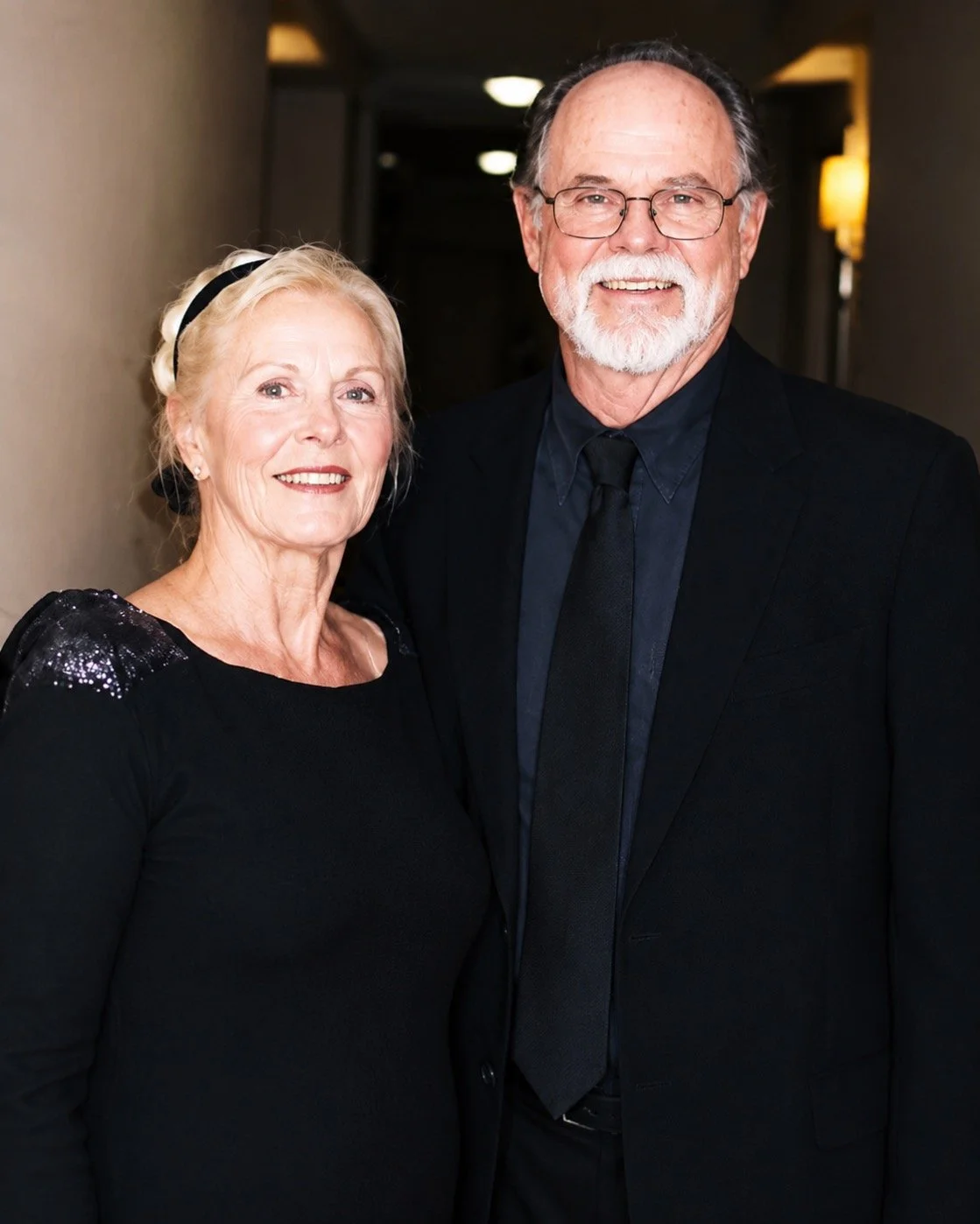
I was recently asked by my friend Tom Hemphill to write about what Albert Tillman and Zale Parry meant to the Northwest Diving History Association.As I sat down to write, I realized I was being asked to describe something that has been part of my life for as long as I can remember.
I am fifty-five years old, and I honestly do not remember a time when my father and Zale were not working to preserve the human history of scuba diving.
Most families planned vacations around amusement parks or beaches. Ours planned vacations around interviews.
If a diving pioneer lived in Florida, we drove to Florida. If they lived in British Columbia, we headed north. Mexico, California, the Midwest, the East Coast…it didn’t matter. The destination was wherever another piece of diving history could be saved before it disappeared.
Those trips became a way of life.
There are literally thousands of audio cassette recordings and tens of thousands of handwritten pages that began in living rooms, diners, dive shops, garages, kitchens, and motel rooms across North America. There were research trips to Europe and Asia and phone calls to still more countries. Every interview added another thread to the growing tapestry of scuba history.
What most people never saw was what happened after the interviews.
Dad and Zale would spend hours discussing every conversation they had just recorded. Dad would write a longhand draft while the memories were fresh. Zale would type the manuscript and send it to the diver they had interviewed. Then came the revisions, clarifications, and fact-checking. Every detail mattered. Every date was questioned. Every story was compared with other interviews. Zale hunted down photographs and verified claims with multiple sources. When she finally adopted a computer, the editing process became easier, but their standards never changed.
It was painstaking work.
Their partnership had begun decades earlier through the International Underwater Film Festival and the Underwater Photographic Society. Together they realized they were not only creating diving history, they were surrounded by it. They began collecting photographs, films, documents, and stories because they understood something few others recognized at the time: if someone did not preserve these memories, they would vanish.
My late sister Laura witnessed much of those early years as Albert and Zale were making history. By the time I came along, I mostly witnessed them preserving it.
For more than fifty years, they shared a friendship built on mutual respect, endless curiosity, and a love of the people who had built recreational diving. Every time another pioneer passed away, the telephone would ring. They would spend hours remembering that person’s stories, trying to place one more name with one more photograph, making sure one more life would not be forgotten.
When Dad died in 2006, those conversations did not end.
Zale and I continued them.
At first we talked about finishing their unfinished books and continuing the work the three of us had planned. As the years passed and there were fewer pioneers left from the first generation, our conversations gradually shifted. We still talked about diving history, but we also talked about children, grandchildren, family, health, and life. She had become more than my father’s closest friend. She had become one of mine.
Today, it is the second generation of diving pioneers who are beginning to leave us. Many are now racing to record their own memories of the 1960s, 70s, and 80s, while remembering the giants from the 1930s, 40s, and 50s whom they knew as young divers entering the sport. History has a way of passing the torch quietly.
That is why organizations like the Northwest Diving History Association matter so much.
When Tom Hemphill asked me to write this, I was still mourning the loss of a woman I had known my entire life. In many ways, I knew Zale better than I knew my own mother. Just a few nights ago I found myself crying as I spoke with her beloved granddaughter, Kathryn. Somehow, sharing those memories was healing.
The diving world will rightly remember Zale Parry as a pioneer, a record holder, an actress, an educator, an underwater photographer, and one of the most influential women our sport has ever known.
I will remember the woman sitting at the kitchen table with my father, surrounded by stacks of notes, photographs, and cassette tapes, determined that the stories of others would never be lost.
That may be her greatest legacy.
Zale lives on through her family, through the countless lives she touched, and through contributions to the diving world that have become legendary. But she also lives on every time a forgotten photograph is identified, every time an oral history is recorded, and every time someone takes the time to preserve the story of another diver.
She spent her life making history.
She also spent it making sure history remembered everyone else.
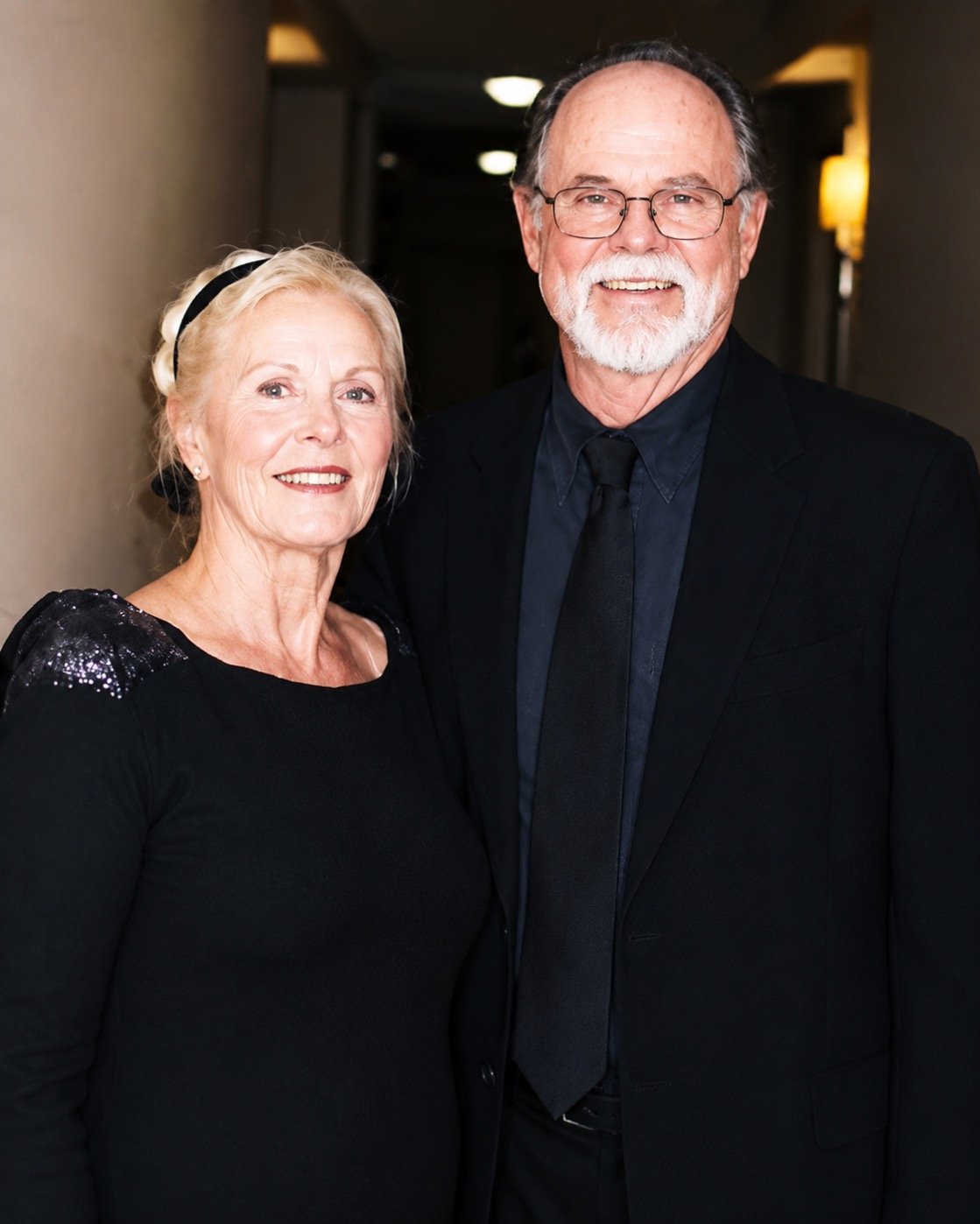
Zale Parry and Al Tillman at a NAUI event and Hall of Honor induction ceremony 2000 Headquarters in Florida
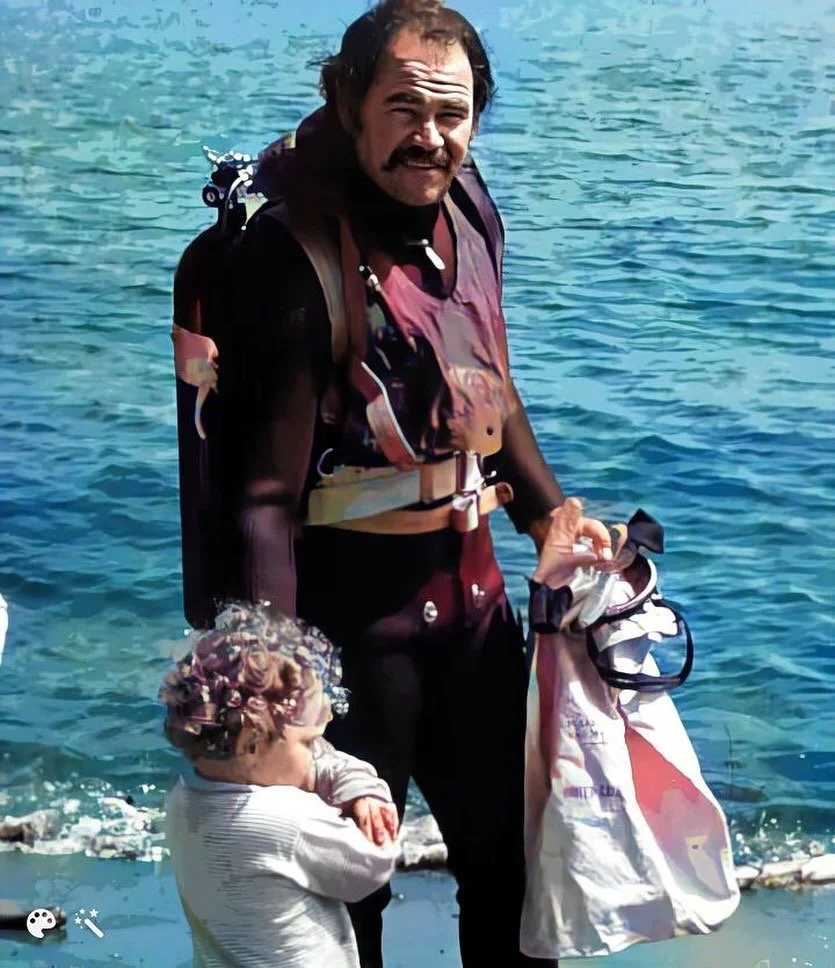
Al tillman and Thomas Tillman 1970s
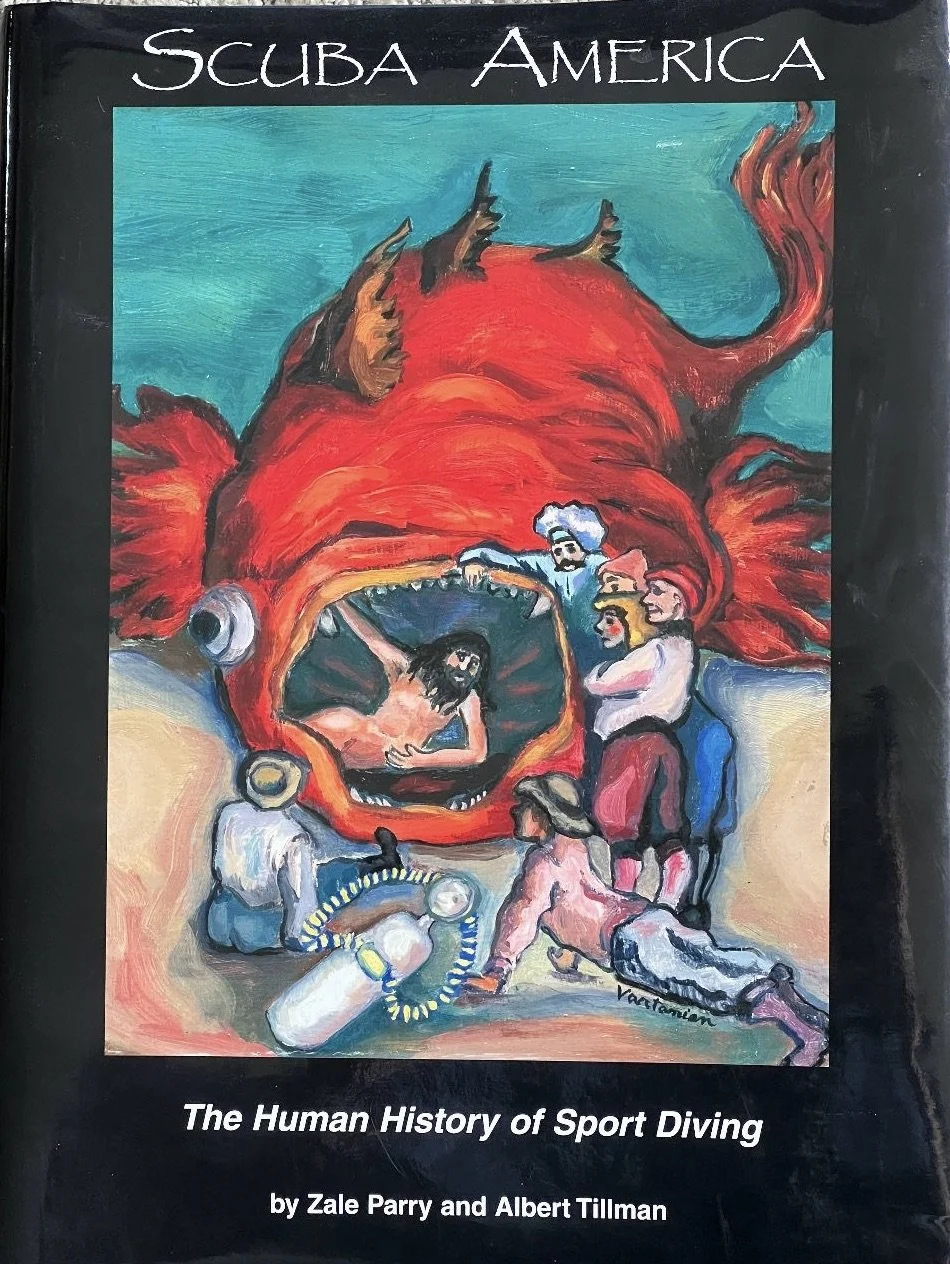
Scuba America Book
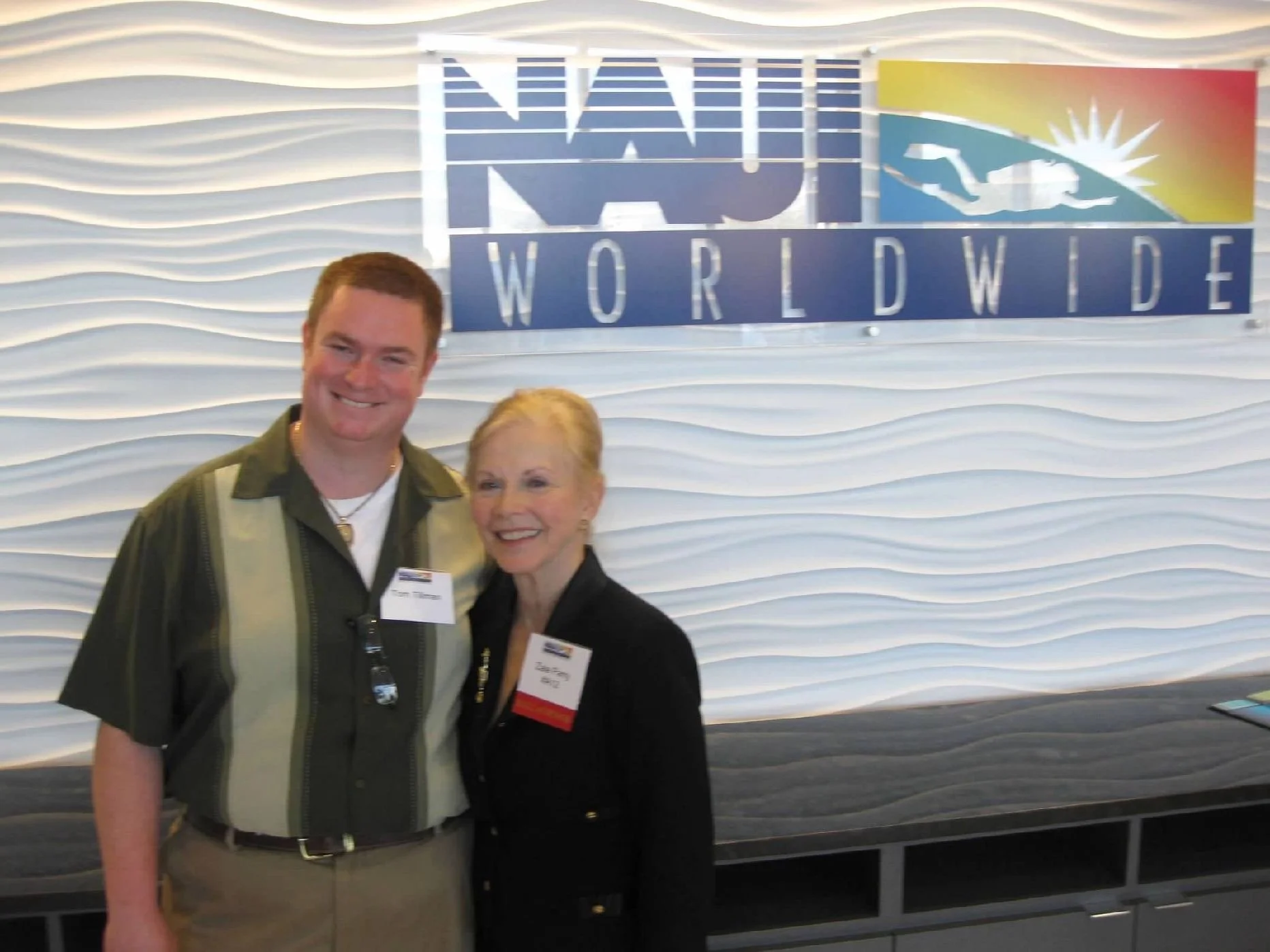
Thomas Tillman and Zale Parry at NAUI
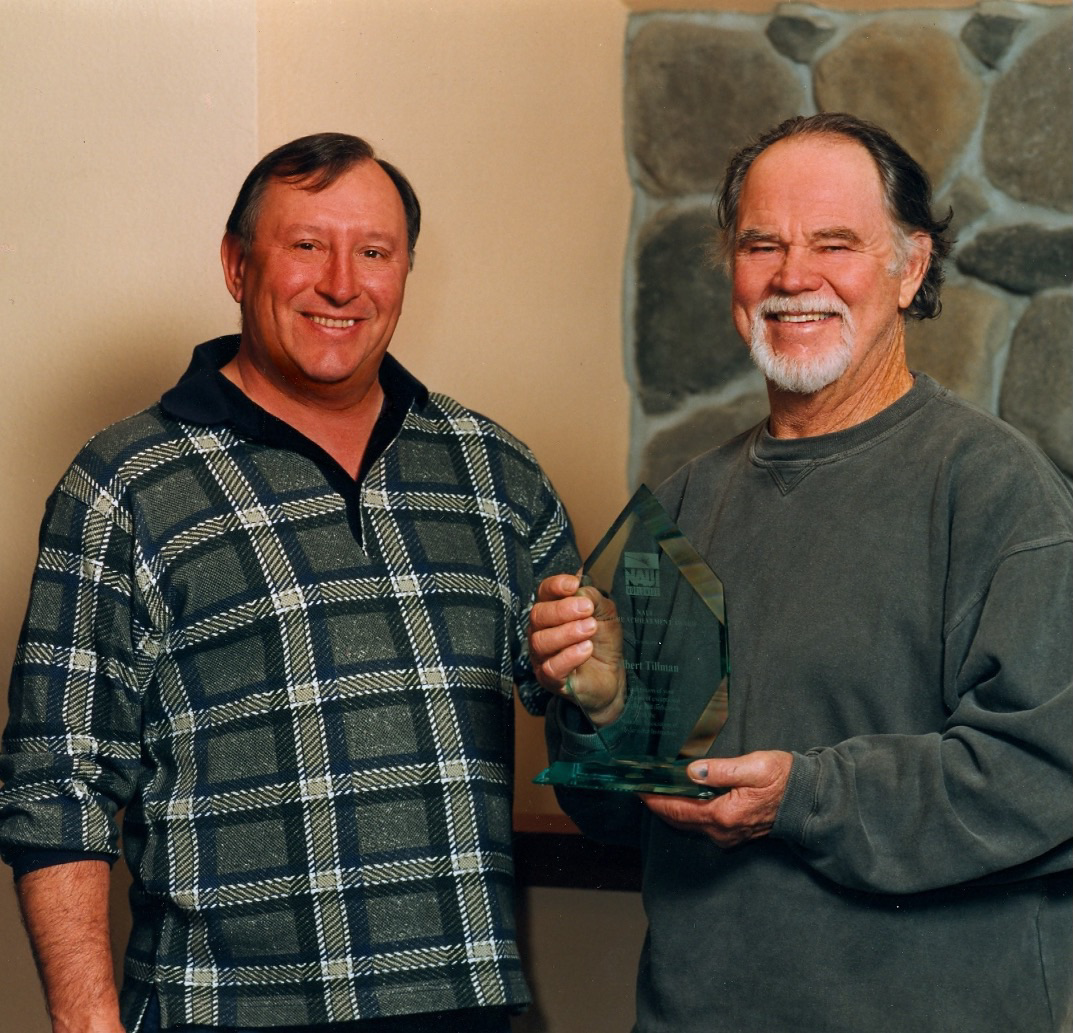
Tom Hemphill & Al Tillman in Friday Harbor 1990s